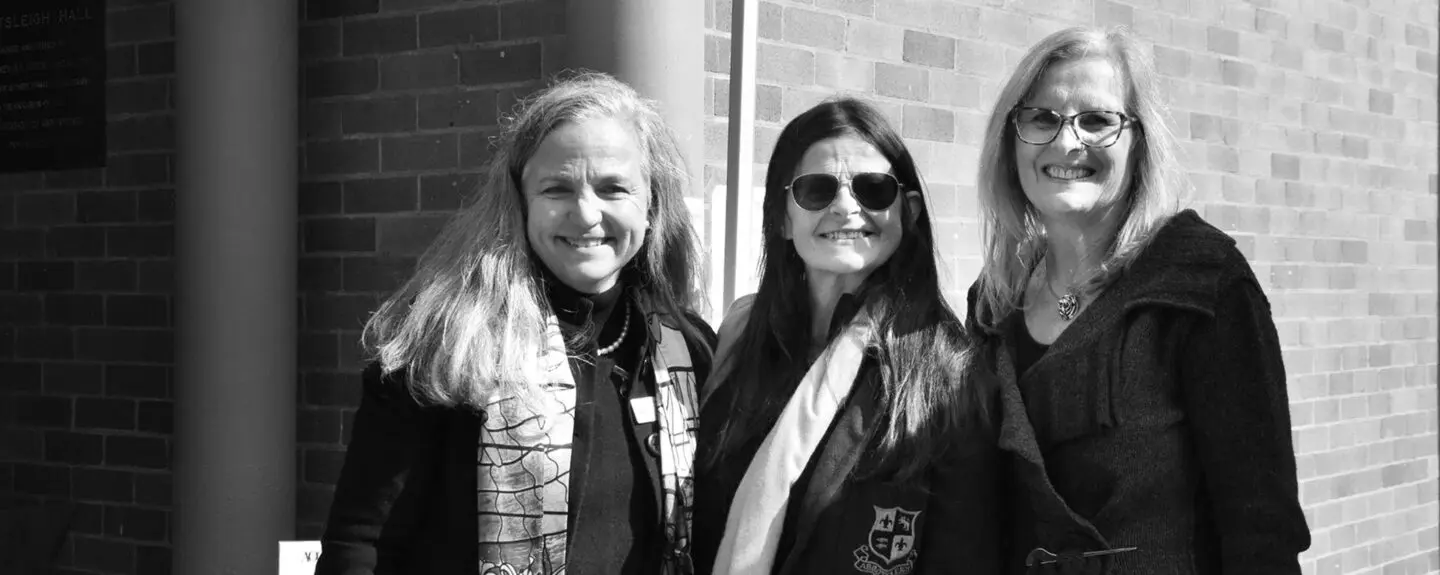
Old Girl Profile: Writer and journalist, Belinda Luscombe (1981)

Belinda grew up on the North Shore and went to Abbotsleigh from years 3 – 12. She is a journalist and author of the book Marriageology: The Art and Science of Staying Together. She has worked at Time magazine for almost 30 years, starting as a staff writer in 1995, then becoming a senior editor in 1999 – including a stint as arts editor – and then became editor-at-large in 2008. For several years, she had a weekly Q & A page, for which she interviewed everyone from Prime Ministers to movie stars to bull-riders.
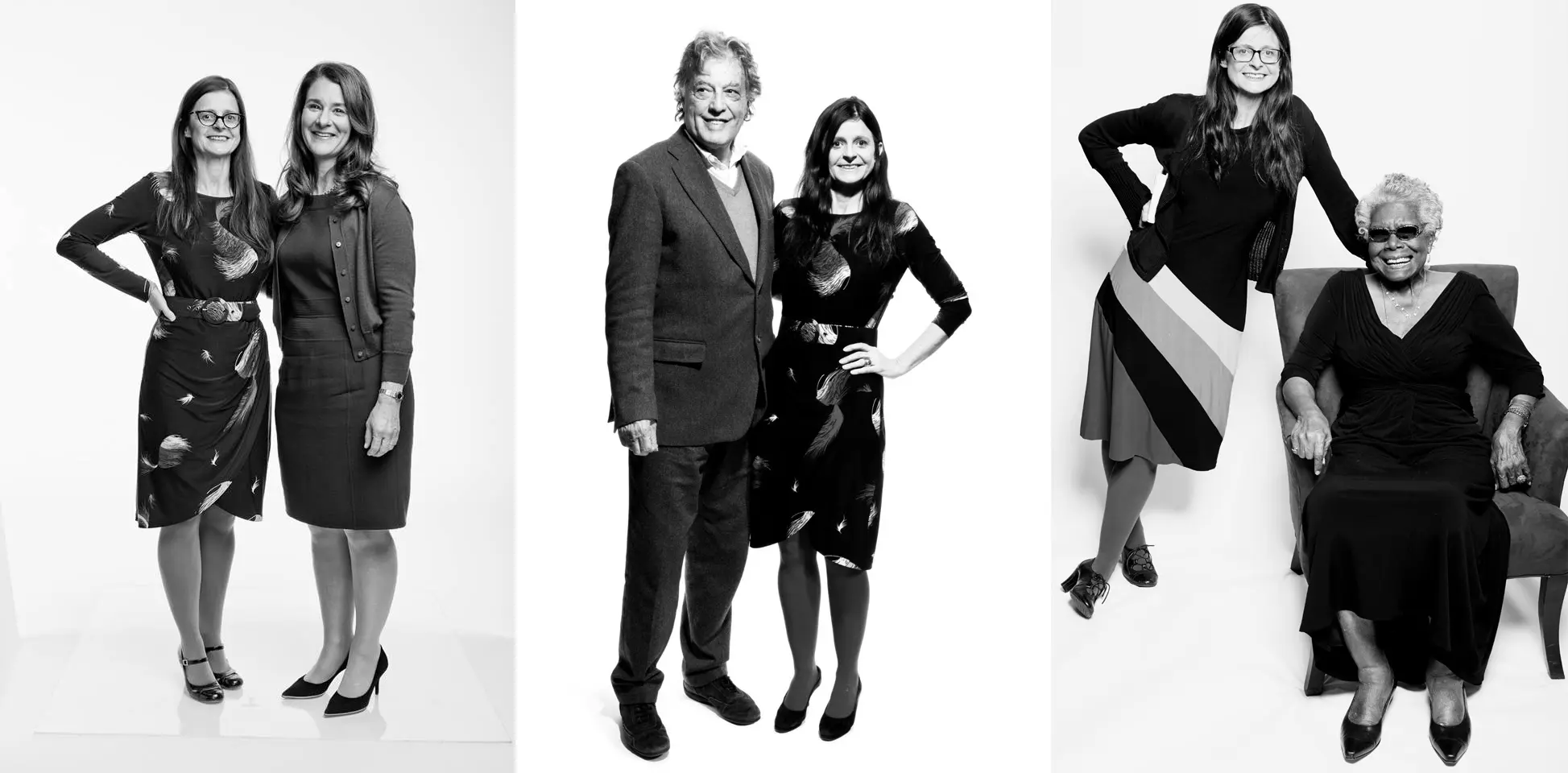
As editor-at-large, Belinda specialises in high profile interviews that have included cover stories on Jacinda Ardern, Melinda Gates, Snoop Dogg, Elton John, Bob Iger and Mr Beast. In 2010, Belinda won the Council on Contemporary Families Media Award for Print coverage of Family Issues. She was recently awarded a Lifetime Achievement Award from the Newswomen’s Club of New York and in May, her cover story about Pope Leo’s childhood in Chicago won Profile of the Year from the Deadline Club.
Belinda studied English Literature gaining a Bachelor of Arts and a Diploma of Education from Sydney University and after a brief but glorious stint at a grocery trade magazine started her newspaper career at the Daily Telegraph in Sydney. She has written for many other publications, including New York, Sports Illustrated, Fortune, Mademoiselle, The New York Times, Travel & Leisure, Vogue and Vogue Australia, Who (Australia), Arena (UK), and the South China Morning Post (Hong Kong) and written humorous essays for a number of books.
Tell us a little about your life and career since school days?
I moved to New York City for a short spell in 1991 and never managed to move back. This was not my intention and I’m still plotting ways to try to come home.
When did you first want to be a writer/journalist and what or who inspired you to start writing?
At school I was more on the debating/acting track, I suppose, but I’ve always liked fooling around with words. The journalism bug crept up on me after I went to South Africa for a spell as a volunteer in the 80’s and noticed how apartheid thrived on a lack of information.
What factors do you credit with your success in writing and journalism?
It’s hard to know but I’d guess it was a combination of :
1. Luck or its divine equivalent
2. A lack of manners
3. An Australian accent
4. Enough education to (almost) keep up my end of the conversation
5. Long stretches during childhood in which there was little to do but read
6. A dearth of alternative skills
You have made a life and had a family in New York for over 30 years. What are some of the wonderful things and opportunities of living in New York?
I often feel that New York City is the polar opposite of one of those beautiful old villages in Europe where people who moved in 20 years ago are considered the newbies. NYC accepts all comers. If you’ve been here six weeks, and you’re participating in it in any way you can, then you’re a New Yorker. With one or two notable exceptions, everyone is welcome to give it a go. So it’s full of people doing their very best to make a mark in whatever way they can. It’s exhausting and sometimes harrowing, but it is never dull. Oddly, it was a very fun place to raise children: 10 out of 10! Would do again!
How is the art of interviewing and telling people’s stories important in today’s world?
Stories are the way that humans remember things. Very little is as damaging to stereotypes as reading or hearing the accounts that people get to tell of their own lives. I think storytelling is one of humanity’s most species-defining habits, and is especially crucial when people are more divided.
You wrote the non-fiction book Marriageology: The Art and Science of Staying Together in 2019. What inspired you to write this and what is its key message.
Like singing in the 12-voice choir, getting a tennis serve in every time, knitting, learning Latin, playing violin or several other things I tried and failed to do at Abbotsleigh, staying hitched to one other human for as long as you both shall live is very hard. Having written about marriage for a bunch of years, I had some tips, all of which, oddly enough, were F-words.
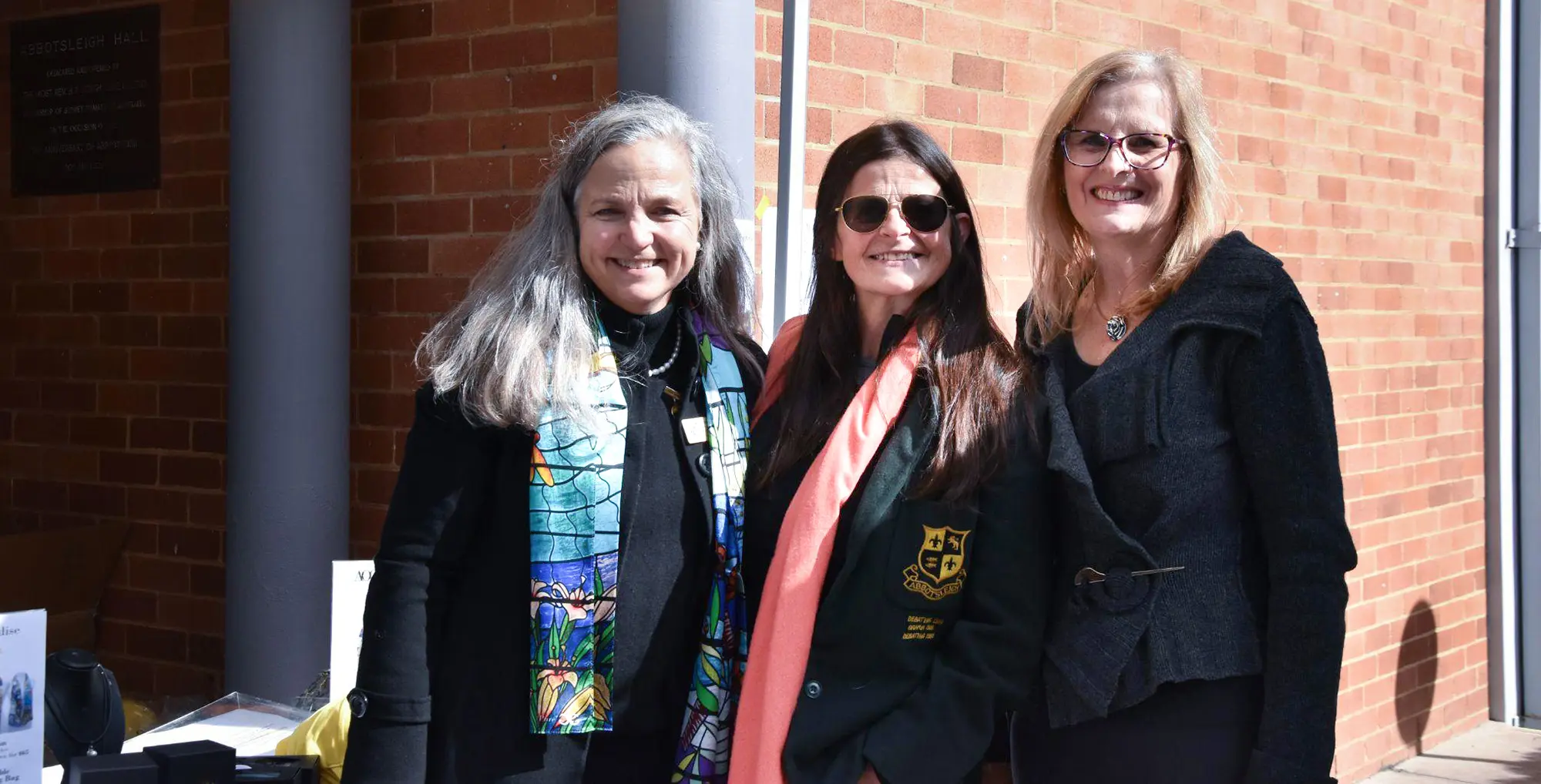
It was wonderful to see you at the AOGU Back to School Day last year. What has your schooling at Abbotsleigh meant to you? How has your time there and the education you received helped you?
This is a cop-out answer but I don’t have the counterfactual, so I don’t know how it affected me, but I have a few suspicions. First, I’m often surprised, given the genteel vibe of the place, what a robust streak of feminism it implanted in me and my classmates. Secondly, during the one sixth of my life that was spent at that school I felt—like everyone else, I now surmise—that I didn’t fit in. I fear I was among the scruffiest, loudest and least organized students to ever set foot on Ada Avenue. But it didn’t seem to bother anyone. I think that gave me the confidence to try to punch above my weight a little when I needed to. Also: kickass teachers, whom it was thrilling to see at that Back to School Day.
What advice would you give any girls who are thinking of a career in journalism or writing like yourself?
Read. Write. Read more. Write more. Your future will depend on the uniqueness of your voice.
Belinda was interviewed by Fiona Hobill Cole (Armstrong, 1981) in June 2026